
Blogi
Lääketieteellinen jäteastia voi helposti jäädä huomaamatta, kunnes siitä tulee jonkinlaista vuotoa tai läikkymistä. Lääketieteellisen jätteen keräysastia joutuu kosketuksiin kannen, polkimen, reunan, vuorauksen reunan ja ympäröivän lattian kanssa, kun hävitetään esineitä, kuten saastunutta sideharsoa, sidoksia, henkilönsuojaimia ja muita klinikoilla, osastoilla, hammaslääkäritoimistoissa, laboratorioissa ja hoitohuoneissa. Uudelleenkäytettävän lääkinnällisen jäteastian virheellinen dekontaminointi jättää jälkeensä kuivunutta maaperää, joka suojaa sisällä olevia mikrobeja ja vaikeuttaa roskakoria turvallisesti käsitellä.
Uudelleenkäytettävän lääkinnällisen jäteastian dekontaminointi ei sisällä sterilointia. Pikemminkin se on suunnattu näkyvän epäpuhtauksien puhdistamiseen, puhdistettujen kovien pintojen desinfiointiin, henkilökunnan suojaamiseen roska-astioita käsiteltäessä ja sen varmistamiseen, että roskakorit ovat valmiita uudelleenkäyttöön laitoksen infektio- ja jätehuoltokäytäntöjen mukaisesti.
Laitoksen kirjallinen aikataulu tulee määrittää jätteen luonteen, alueen liikenteen ja paikallisten käytäntöjen mukaan. Roskakoriin on puututtava välittömästi, kun havaitaan vuoto, altistuminen verelle/ruumiinnesteille, haju, vuorauksen toimintahäiriö tai kaikki kosketus lääkintäjätteeseen, joka tapahtuu vuorauksen ulkopuolella. Siivous voidaan tehdä joko päivittäin, viikoittain tai jokaisen jätteenkeruujakson jälkeen alueesta riippuen.
Siirrä saastunutta lääketieteellistä jäteastiaa vain tarpeen mukaan ennen sen käsittelyä ja pidä työalue hallinnassa. Työntekijöitä ohjataan laitoksen altistumisen hallintasuunnitelman mukaisesti, kuinka suojavarusteita tulee käyttää oikein ja välttää lääkinnällisen jätteen puristamista, ravistamista tai sokeaa käsittelyä. Lääketieteellisen jäteastian dekontaminaatiota ei tapahdu koskaan ennen kuin lääkintäjätteet on poistettu asianmukaisesti sen vuorauksesta.
Tiivistä tai sulje vuoraus jäteohjelmasi edellyttämällä tavalla. Tarkasta roskakori poistamisen jälkeen asettamatta kasvojasi suoraan aukon päälle. Etsi vuotoja, kerääntynyttä nestettä, juuttunutta teippiä, jäännöksiä vanteen alla, halkeamia, löystyneitä saranoita, kuluneita polkimia, vaurioituneita kansia tai karkeita pintoja, jotka voivat tarttua kontaminaatioon.
Jos säiliöön jää roskia, käytä laitoksen hyväksymiä työkaluja käsien sijaan. Lääketieteellisestä roskakorista ei pitäisi tulla lajitteluasemaa. Jos laitteessa on teräviä esineitä, lasinsärkyä tai odottamattomia vaarallisia esineitä, pysähdy ja noudata laitoksen tapausmenettelyä.
Käytä lämmintä vettä ja pesuainetta tai hyväksyttyä terveydenhuollon puhdistusainetta kaikkien ulottuvilla olevien pintojen pesuun. Kiinnitä huomiota kannen alapuolelle, kannen saranaan, poljinlevyyn, vanteen uraan, kahvoihin, pyörän kiinnikkeisiin ja alempaan ulkopintaan. Hankausta tarvitaan usein, koska kuivuneet jäämät ja biokalvomainen maaperä voivat heikentää desinfiointitehoa.
Jotkut puhdistusaineet tarvitsevat huuhtelun ensin ennen desinfiointiaineen käyttöä. Toiset ovat yksivaiheisiin desinfiointiaineisiin tarkoitettuja pesuaineita, erityisesti pinnoille, jotka näyttävät vain vähän likaantuneilta. Noudata vain tuotteen etikettiä ja laitoskäytäntöä. Jos roskakori oli selvästi saastunut, suorita puhdistus ja desinfiointi kahtena erillisenä vaiheena, ei yhtenä sujuvana.
Levitä desinfiointiainetta kaikille puhdistetuille koville pinnoille etiketissä mainitulla menetelmällä, kuten pyyhkeet, liina levitys tai kontrolloitu suihke, jos se on sallittua. Älä "sumuta" tai aerosolisoi mitään. Älä sekoita kemikaaleja, äläkä yhdistä valkaisuainetta ammoniakin tai happamien puhdistusaineiden kanssa.
Kosketusaika tarkoittaa, kuinka kauan desinfiointiaineen on pysyttävä märkänä pinnalla. Joten jos etiketissä lukee yksi minuutti, kolme minuuttia, viisi minuuttia tai kymmenen minuuttia, roskakorin on pysyttävä märkänä koko ajan. Jos se alkaa kuivua liian nopeasti, levitä tuote uudelleen. Tässä monet huolelliset rutiinit epäonnistuvat.
Anna säiliön kuivua vaaditun kosketusajan jälkeen tai pyyhi se desinfiointiaineetiketin ohjeiden mukaan. Tarkasta uudelleen, ennen kuin asetat uuden vuorauksen. Säiliön tulee olla huomattavan puhdas, riittävän kuiva turvalliseen käsittelyyn, ei sisällä vahvoja kemiallisia lätäköitä, ja sen tulee olla myös rakenteellisesti ehjä.
| Tehtävä | Mitä tarkistaa | Miksi sillä on merkitystä |
|---|---|---|
| Poista jätevuori turvallisesti | Liner on suljettu, ei puristettu, ja sitä käsittelee koulutettu henkilökunta | Estää tarpeettoman altistumisen puhdistusprosessin aikana |
| Tarkasta ennen pesua | Halkeamat, vuodot, juuttuneet roskat, vaurioitunut poljin, karkeat pinnat | Vaurioituneet roskakorit voivat tarttua kontaminaatioon ja ne on ehkä vaihdettava |
| Puhdista ennen desinfiointia | Näkyvä lika poistettu sisältä, ulkoa, vanteesta, kannesta, polkimesta ja pyöristä | Orgaaniset materiaalit voivat heikentää desinfiointiaineen tehokkuutta |
| Käytä hyväksyttyä desinfiointiainetta | Terveydenhuollon kovan pinnan väite, oikea laimennus, yhteensopiva materiaali | Tukee infektioiden torjuntaa ja suojaa roskakorien pintoja |
| Huomioi märkäkosketusaika | Pinta pysyy märkänä etiketin edellyttämän ajan | Desinfiointiaine tarvitsee riittävästi altistusaikaa toimiakseen |
| Asiakirjan poikkeukset | Roiskeet, vauriot, epätavallinen jäte, toistuvat vuorauksen viat | Auttaa johtajia parantamaan koulutusta, laivojen valintaa ja vaihtoaikatauluja |
Paras desinfiointiaine ei ole vain vahvin hyllyssä. Uudelleenkäytettävien lääkejätesäiliöiden ostajien ja ympäristöpalvelutiimien on otettava huomioon huolta aiheuttavat organismit, pinnan yhteensopivuus, haju, henkilökunnan altistuminen, vaadittu kosketusaika, paikalliset määräykset ja se, onko tuote hyväksytty koville ei-huokoisille terveydenhoitopinnoille. Yhdysvalloissa EPA-rekisteröityjä desinfiointiaineita on käytettävä niiden etiketin ohjeiden mukaisesti. Muilla markkinoilla saattaa olla erilaisia rekisteröintijärjestelmiä, joten paikallisten sääntöjen tulisi ohjata lopullisen tuotteen valintaa.
Terveydenhuollon rutiinipinnoille monet laitokset suosivat tuotteita, joiden kosketusajat ovat realistiset, koska henkilökunta pystyy pitämään pinnan riittävän pitkään märkänä. Lyhyemmän hyväksytyn kosketusajan omaava desinfiointiaine voi olla helpompi käyttää oikein kuin se, joka näyttää vahvemmalta, mutta kuivuu ennen kellon käyntiä.
Lääketieteellistä roskakoria ei kannata säästää, jos sitä ei voida puhdistaa luotettavasti. Vaihda säiliö, jos halkeamat, syvät naarmut, rikkoutuneet kannet, epävakaat polkimet, vaurioituneet pyörät, imukykyiset osat tai jatkuva haju tekevät dekontaminaatiosta kyseenalaiseksi. Hankinnan kannalta vaihto on usein halvempaa kuin toistuva henkilöstön työaika, epäonnistuneet tarkastukset tai vuototapahtumat.
Kun ostat vaihtoastioita, ota huomioon sileät puhdistettavat pinnat, vakaa kansi, handsfree-aukko tarvittaessa, oikea tilavuus huoneeseen, hyvä vuorauksen istuvuus, selkeä värikoodaus tai merkinnät ja materiaalien yhteensopivuus laitoksen desinfiointiaineiden kanssa.
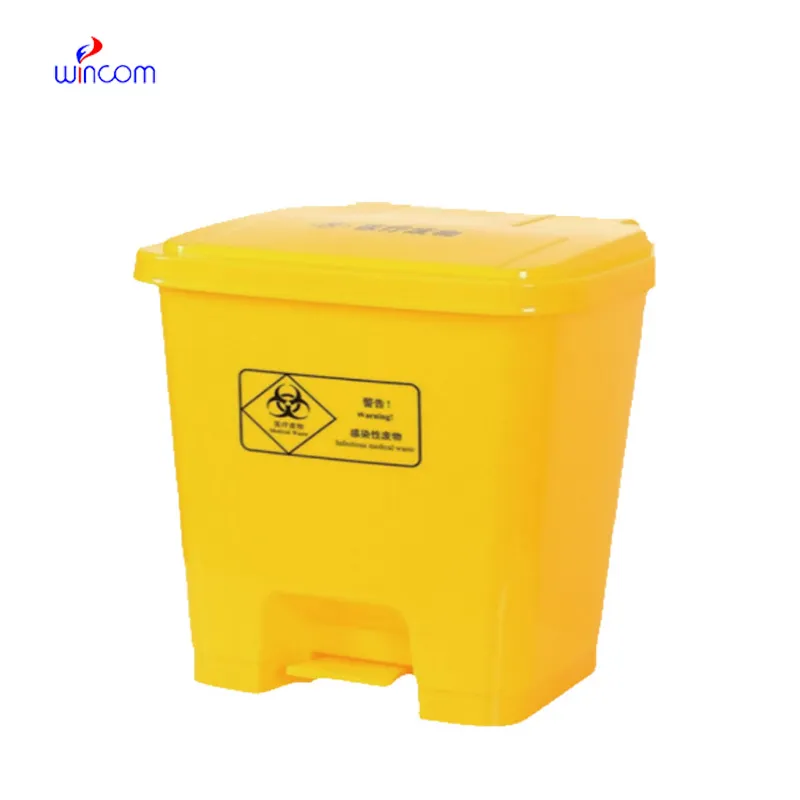
Wincomin Medical Waste 15L WN-W15 on kompakti lääkinnällinen jäteastia terveydenhuollon tiloihin, joissa pienempi kontti on järkevä: tutkimushuoneisiin, hammashoitohuoneisiin, hoitohuoneisiin, laboratorioihin ja hoitopisteisiin. 15 litran koon ansiosta ryhmät voivat sijoittaa jätekeräyksen lähelle käyttöpaikkaa ilman, että huone on täynnä, mikä on usein juuri sitä, mitä pienet kliiniset tilat tarvitsevat.
Wincomilta hankkivat hankintatiimit voivat tarkistaa tämän mallin viralliselta Medical Waste 15L WN-W15 -tuotesivulta. Varmista ennen ostamista vuorauksen koko, kannen tyyppi, poljin tai avausmekanismi, materiaali, värivaihtoehdot, merkinnät, pakkaustiedot ja desinfiointiaineen yhteensopivuus toimittajalta, jotta roskakori vastaa laitoksesi protokollaa.
Ei. Jos säiliössä on näkyvää likaa, vuotoa, jäämiä tai kuivunutta materiaalia, puhdistaminen tulee tehdä ensin. Maaperä voi suojata mikro-organismeja ja estää desinfiointiainetta koskettamasta pintaa kunnolla.
Käytä desinfiointiaineetiketissä ja laitoksesi käytännöissä ilmoitettua kosketusaikaa. Pinnan tulee pysyä kosteana vaaditun ajan. Jos se kuivuu liian aikaisin, levitä uudelleen etiketin mukaisesti.
Ei aina. Valkaisuliuokset voivat olla hyödyllisiä joissakin protokollissa, mutta niissä voi olla hajua, korroosiota, laimentumista, varastointia ja yhteensopivuusongelmia. Käytä vain hyväksyttyjä tuotteita oikealla pitoisuudella äläkä koskaan sekoita kemikaaleja.
Yleensä ei. Jätesäiliöt ovat ympäristöpintoja, eivät kirurgisia instrumentteja. Tavanomaisena tavoitteena on puhdistaminen ja asianmukainen pintojen desinfiointi, ellei tietty laitostoimenpide vaadi muuta menetelmää.
Vaihda se, jos halkeamat, syvät naarmut, rikkoutuneet polkimet, vaurioituneet kannet, jatkuva haju, vuodot tai vaikeasti puhdistettavat alueet tekevät luotettavasta dekontaminaatiosta kyseenalaiseksi.
Wincom toimittaa lääketieteellisiä ja laboratoriolaitteita maailmanlaajuisille terveydenhuollon ostajille. Jos vertaat kompakteja lääketieteellisiä jäteastioita klinikoiden, hoitohuoneiden, laboratorioiden tai jakelijoiden projekteihin, tarkista WN-W15-malli ja vahvista paikallisen jätehuoltoprotokollan tarvittavat tiedot.
Hyvä dekontaminointirutiini on yksinkertainen, mutta se on tehtävä oikeassa järjestyksessä: poista jätteet turvallisesti, puhdista näkyvä lika, käytä oikeaa desinfiointiainetta, pidä pinta märkänä koko etiketin kosketusajan, tarkasta säiliö ja vaihda roskakorit, joita ei voi enää puhdistaa kunnolla. Terveydenhuollon ostajille roskakori on osa päivittäistä turvajärjestelmää, ei vain jotain, joka pitää sisällään vuorauksen.
Sähköposti: [email protected]
Puh: +86-731-84176622
+86-731-84136655
Osoite: Rm.1507, Xinnsancheng Plaza. No.58, Renmin Road(E),Changsha,Hunan,Kiina


 EN
EN
 af
af
 es
es
 ar
ar
 tr
tr
 sw
sw
 pt
pt
 th
th
 ur
ur
 bn
bn
 ne
ne
 vi
vi
 km
km
 lo
lo
 de
de
 ru
ru
 fi
fi
 nl
nl
 fa
fa
 fr
fr
 ko
ko


