In clinical and laboratory settings, EMG System is a primary tool for monitoring cardiac activity and vital signs. The device presents the ECG waveform very lucidly, which helps thorough patient assessment. Its stable functioning and organized data output have made it appropriate for daily operation in hospital wards where constant and accurate monitoring is necessary for patient care and clinical records.

In neonatal and pediatric units, EMG System is executed to assist the continuous monitoring of at-risk patients. ECG monitoring permits the observing of fine heart activity together with vital signs. This application facilitates the uninterrupted monitoring with minimal physical disturbance thus increasing patient safety in the specialized hospital areas.
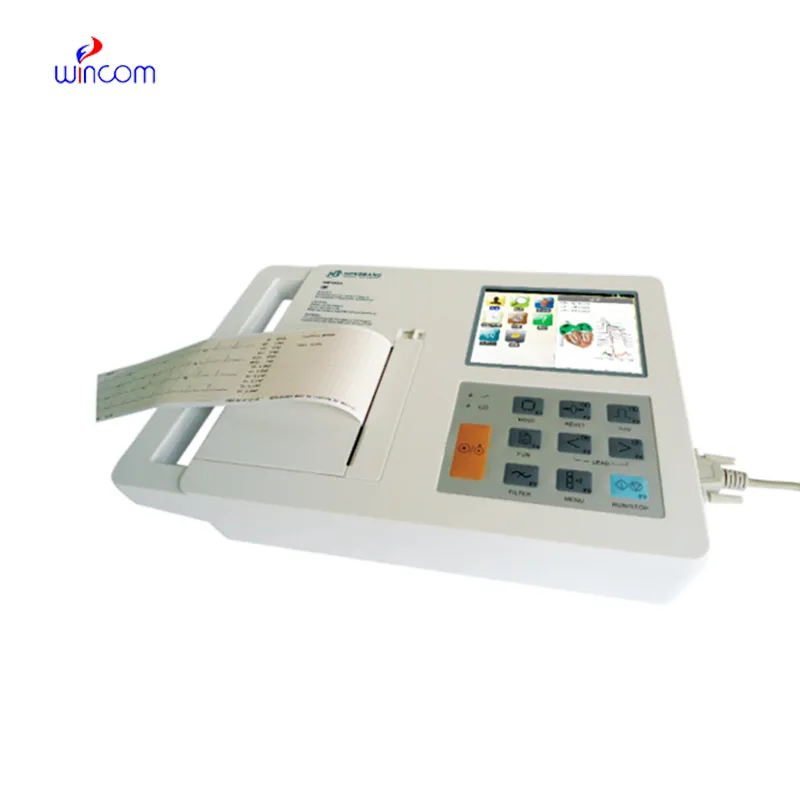
In the coming times, EMG System will become more important in the remote and hybrid care scenarios. The hospital networks might not only do the ECG monitoring in the traditional patient bedside settings but also through the centralized control rooms, where the data is reviewed. This move will ensure that the medical staff keep an eye on different locations at the same time and that the monitoring standards are the same throughout the hospitals.

EMG System is a medical device that needs preventive maintenance to keep it performing without interruption in clinical environments. Display, interface ports, and alarm functions need to be inspected regularly. ECG electrodes, cables, and accessories must be changed from time to time to avoid errors due to wear. When a device is not in use, proper storage should be done to prevent exposure to dust, humidity, or mechanical stress. By adhering to organized maintenance schedules, hospital teams not only keep the device's monitoring performance consistent but also prolong the device's life and ensure the safety of the patients.
The term EMG System is often utilized in the areas where post-operative recovery takes place for the purpose of tracking the stability of patients after surgical procedures. The uninterrupted ECG monitoring helps the healthcare professionals to analyze the heart rhythm patterns during the period of anesthesia recovery. The mixture of vital signs monitoring guarantees the steady and reliable assessment of the patient's condition, thus, reducing the uncertainty in the clinic. Its use in recovery rooms makes the change from surgery to the normal care easier.
Q: Can a Patient Monitor & ECG catch arrhythmias? A: Yes, the monitoring of ECG in real-time will quickly reveal the presence of irregular heartbeats. Q: Are Patient Monitor & ECG devices easy to move around? A: A lot of the models are easy to move around, so they can be used at the bedside and in mobile applications in the hospital. Q: What is the impact of environmental factors on Patient Monitor & ECG? A: The accuracy of the device can be influenced by very high or very low temperatures, strong magnetic fields, or vibrating surfaces. Q: Is it a proper outpatient clinic device? A: Yes, it is good for routine cardiovascular assessment and short-term monitoring usage. Q: A Patient Monitor & ECG can be used in research, won't it? A: Yes, it is used for physiological studies and clinical trials in hospitals and laboratories.
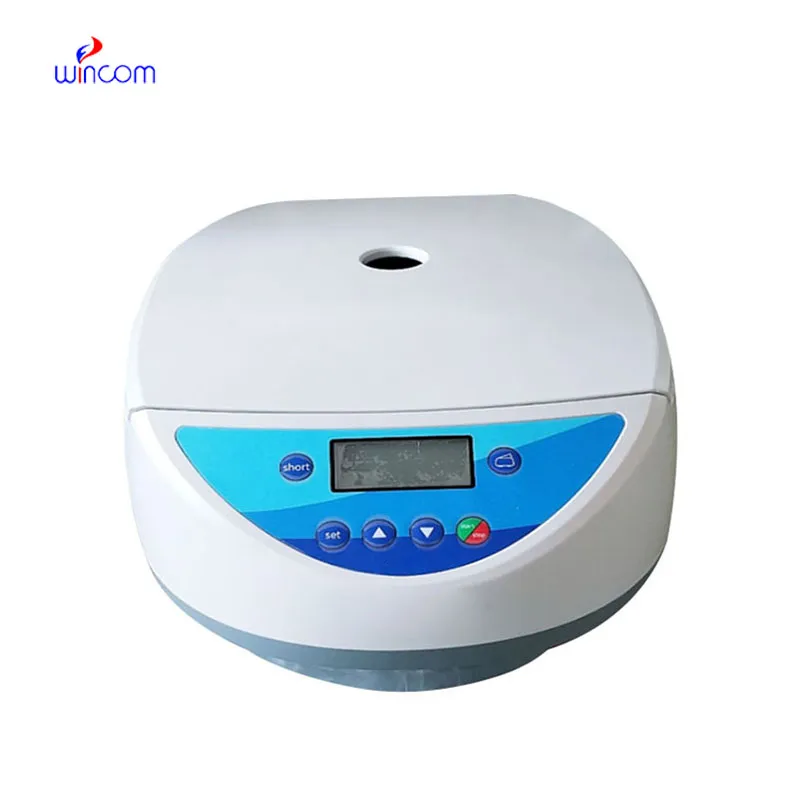
The centrifuge operates quietly and efficiently. It’s compact but surprisingly powerful, making it perfect for daily lab use.
I’ve used several microscopes before, but this one stands out for its sturdy design and smooth magnification control.
To protect the privacy of our buyers, only public service email domains like Gmail, Yahoo, and MSN will be displayed. Additionally, only a limited portion of the inquiry content will be shown.
Could you share the specifications and price for your hospital bed models? We’re looking for adjus...
We’re currently sourcing an ultrasound scanner for hospital use. Please send product specification...
E-mail: [email protected]
Tel: +86-731-84176622
+86-731-84136655
Address: Rm.1507,Xinsancheng Plaza. No.58, Renmin Road(E),Changsha,Hunan,China


 EN
 af
 es
 ar
 tr
 sw
 pt
 th
 ur
 bn
 ne
 vi
 km
 lo
 de
 ru
 fi
 nl
 fa
 fr
 ko