In hospitals and medical research facilities, china capillary blood collection tubes have become a global standard for blood sampling and transport. The production of the tubes takes place under very stringent quality controls which guarantee sterility and chemical uniformity. They are employed by hospitals for a variety of diagnostic tests, such as screening for infectious diseases, performing hormone panels and routine blood counts. Their pre-filled additives allow for the prevention of clotting or degradation of components, thus maintaining the integrity of each sample. The communication with laboratory machines like centrifuges and analyzers makes the workflow smoother. The use of china capillary blood collection tubes in different medical areas not only minimizes the chances of mistakes but also improves the safety of patients and ultimately leads to the provision of accurate test results in both hospital and research environments.

In hospital laboratories, china capillary blood collection tubes find widespread use in the case of routine blood tests such as complete blood counts, metabolic panels, and coagulation analysis. The prefilled additives in them guarantee the proper condition of the sample, thus, allowing the precise measurement of the plasma and cells. The laboratory personnel apply color codes to the test tubes according to the tests to be done in order to minimize the pre-analytical errors. These tubes are compatible with centrifuges, analyzers, and barcode systems, facilitating the processing of the samples automatically. By granting the same and reliable sample preservation, china capillary blood collection tubes are increasing the accuracy and efficiency of diagnostics, thus, supporting the clinicians in the management of the patients and enabling hospitals to keep the standards of laboratory workflow high.
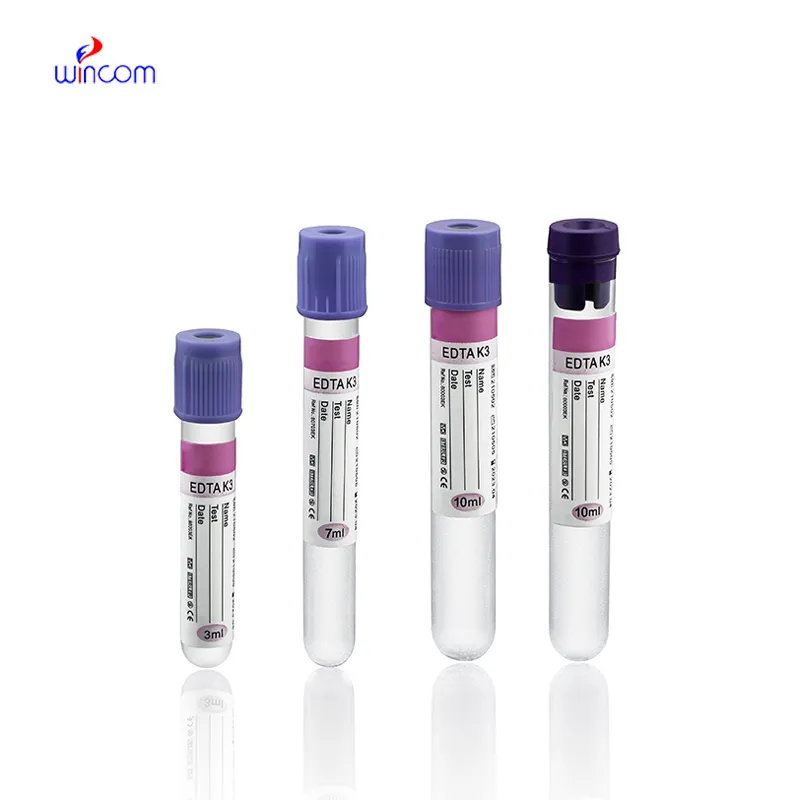
The upcoming china capillary blood collection tubes generation might emphasize the reduction of sample volumes accompanied by high accuracy, especially in the case of testing newborns and infants, at the same time. Less blood from the patient will imply less discomfort, and hospitals will be able to conduct several tests simultaneously. The tubes could be equipped with improved chemical stabilization that would allow their longer storage and transport without compromising the quality of the results. The use of laboratory information systems and automated analyzers will be combined which will result in the workflows being optimized, errors being reduced, and high-throughput testing being supported. The future china capillary blood collection tubes will probably be the ones that ensure ergonomic, eco-friendly, and tech-savvy design, which will hold up to the changing demands of both the clinical settings and research.
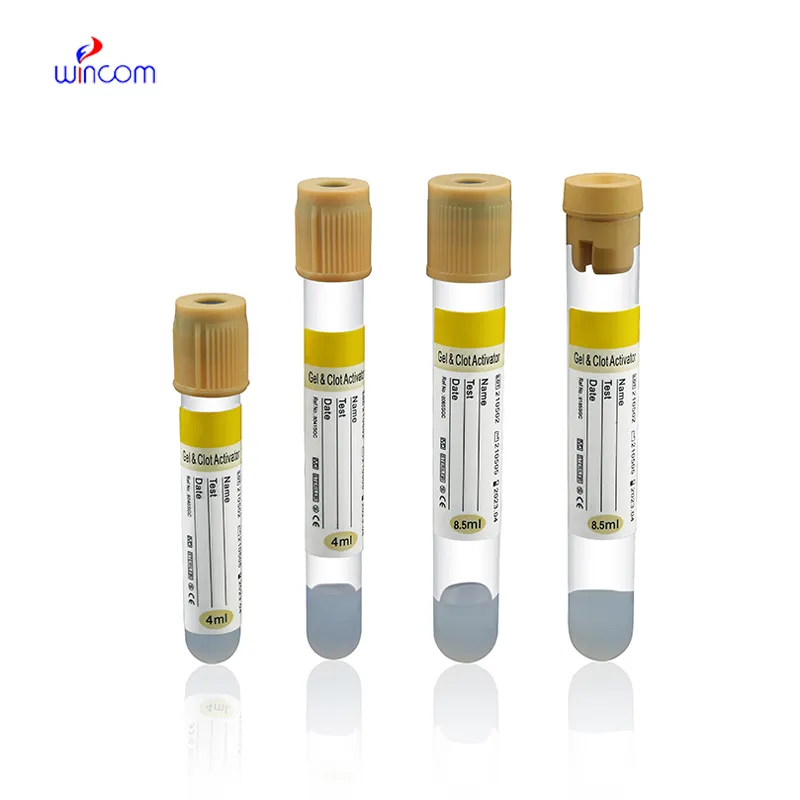
The care procedures for china capillary blood collection tubes focus on hygiene and expert handling of the samples in clinical environments. To avoid contamination, tubes must be taken out of their packaging only at the time of use. The laboratory personnel should ensure that the boxes containing the tubes are not subjected to the weight of heavy objects on top to avoid deformation. Areas for storage need to be controlled so that there is no excessive vibration or humidity. Staff in the hospital are trained to check the tubes by looking for cracks, color changes, or broken seals before the tubes are used. Following these methods aids the process of keeping samples unaltered and, consequently also lab analysis being accurate in the different hospital departments.
china capillary blood collection tubes are typically employed for blood collection in a matter of seconds in emergency rooms and ICU. The different colors of their caps are a sign of what kind of additive is present inside, thus making it easier for the doctors to choose the right tube for tests such as coagulation, blood chemistry, or infectious disease markers, etc. Also, these tubes can be used with vacuum-based systems for blood draw, thus providing safe and efficient collection even in hard situations. The accurate labeling and proper handling of china capillary blood collection tubes greatly reduce the chance of mix-ups between samples and make it possible to trace them back, thereby supporting the timely diagnostic decisions which are very important for urgent patient care in high-pressure hospital environments.
Q: What additives are found in Blood Collection Tubes? A: Additives may include anticoagulants, clot activators, or gel separators depending on test requirements. Q: How do Blood Collection Tubes support accurate testing? A: They preserve blood components and prevent degradation during transport and processing. Q: Are Blood Collection Tubes compatible with automated analyzers? A: Yes, most tubes are designed to work with modern laboratory automation systems. Q: Why is proper tube selection important in hospitals? A: Using the correct tube ensures reliable test results and reduces pre-analytical errors. Q: Do Blood Collection Tubes have expiration dates? A: Yes, expiration dates ensure additives remain effective and safe for use.
This x-ray machine is reliable and easy to operate. Our technicians appreciate how quickly it processes scans, saving valuable time during busy patient hours.
This ultrasound scanner has truly improved our workflow. The image resolution and portability make it a great addition to our clinic.
To protect the privacy of our buyers, only public service email domains like Gmail, Yahoo, and MSN will be displayed. Additionally, only a limited portion of the inquiry content will be shown.
Hello, I’m interested in your centrifuge models for laboratory use. Could you please send me more ...
We’re looking for a reliable centrifuge for clinical testing. Can you share the technical specific...
E-mail: [email protected]
Tel: +86-731-84176622
+86-731-84136655
Address: Rm.1507,Xinsancheng Plaza. No.58, Renmin Road(E),Changsha,Hunan,China


 EN
 af
 es
 ar
 tr
 sw
 pt
 th
 ur
 bn
 ne
 vi
 km
 lo
 de
 ru
 fi
 nl
 fa
 fr
 ko