The circular water bath has functionality with advanced temperature control technology. Its heater system includes stable thermal consistency, whereby each sample in the chamber undergoes equal heat exposure. The circular water bath enables precise temperature setting and adjustments with an easy-to-use digital control panel. Its stainless-steel tank includes superior corrosion resistance and chemical reaction resistance. With built-in protection features such as thermal cut-off and water level sensing, the circular water bath is all about performance and protection. It is best for regular lab applications and for certain scientific applications.

The circular water bath is used worldwide in analytical, educational, and industrial laboratories. It offers regulated temperature conditions for the incubation of samples, preheating of reagents, and testing of materials. In biotechnology, the circular water bath offers ideal temperatures for enzyme and cell-catalyzed reactions. It is also applied in the manufacture of pharmaceuticals to offer reliable heat in tests. As a result of its precise and consistent control of temperature, the circular water bath ensures the reproducibility of experiments and is hence an essential tool in temperature-sensitive laboratory operations.
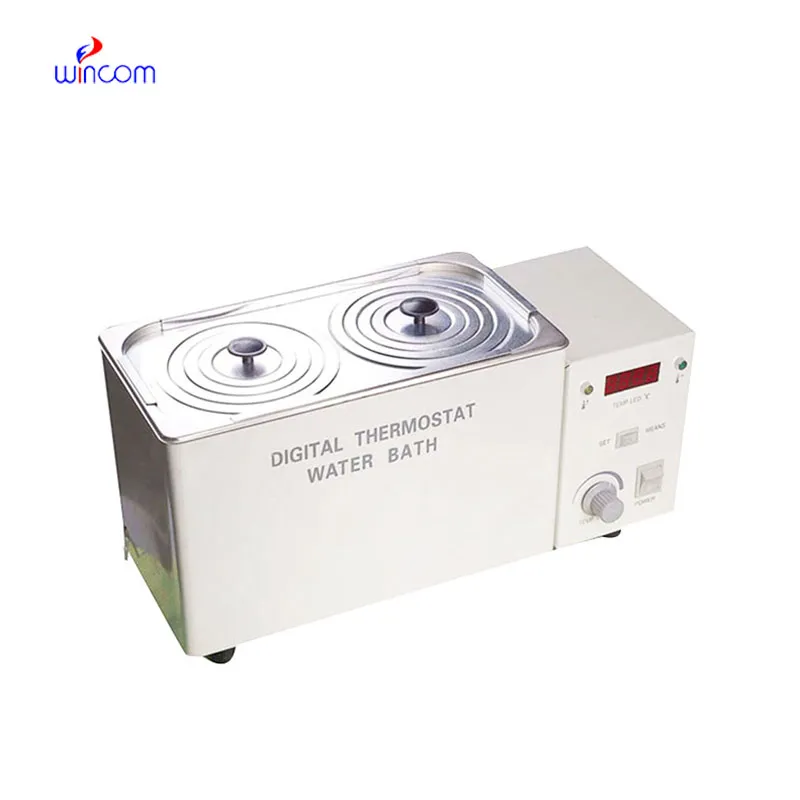
The next generation of the circular water bath will combine the newest digital innovation with sustainable design. Better microprocessor systems will increase temperature accuracy, and integrated IoT capabilities will enable live monitoring and control via mobile or desktop interfaces. Next-generation models will be focused on energy conservation and user safety, with self-off and water level alerts becoming intelligent. The circular water bath will become a smart lab device, enhancing efficiency, accuracy, and adaptability in different research applications.
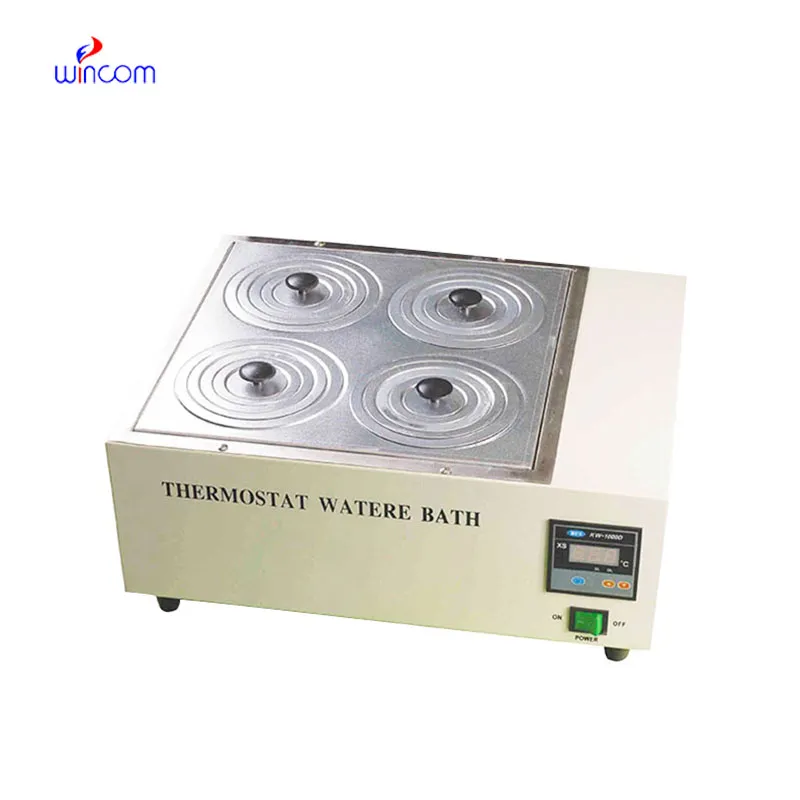
Routine maintenance procedures need to be performed by the users to make the circular water bath function properly. Clean the tank every week to remove mineral buildup or chemical residue. Scaling and corrosion are prevented through the use of distilled water. Dry parts completely after cleaning before filling up. The heating coil and temperature sensor should be checked for build-up or debris. Electrical components should not be submerged in water when cleaning. Proper routine maintenance makes the circular water bath accurate, safe, and efficient to utilize over a long period of time.
The circular water bath is a heat-controlled device from which researchers are able to maintain specimens at specified temperatures. The efficient heat transfer process of the device allows for uniform temperature throughout the chamber. In life science, chemistry, and food testing facilities, the circular water bath is generally used in the processes such as sample incubation and reagent melting. With a strong focus on precision and safety, it has top-of-the-line thermal control to offer stable performance in a variety of different research settings.
Q: Can a water bath be used for enzyme incubation? A: Yes, water baths are frequently used for enzyme incubation, as they provide precise and stable temperature conditions necessary for biological reactions. Q: How does a digital water bath differ from an analog one? A: A digital water bath offers programmable controls and precise temperature readings, while analog models rely on manual adjustments and thermometers. Q: What maintenance steps extend the life of a water bath? A: Regular cleaning, using distilled water, checking the thermostat, and drying the chamber after use all help maintain performance. Q: Why do some water baths have lids or covers? A: Lids help reduce heat loss, prevent contamination, and minimize evaporation, maintaining consistent internal temperatures. Q: What should be done if a water bath fails to heat properly? A: Inspect the power supply, thermostat, and heating element; if the issue persists, discontinue use until professional servicing is performed.
The delivery bed is well-designed and reliable. Our staff finds it simple to operate, and patients feel comfortable using it.
We’ve used this centrifuge for several months now, and it has performed consistently well. The speed control and balance are excellent.
To protect the privacy of our buyers, only public service email domains like Gmail, Yahoo, and MSN will be displayed. Additionally, only a limited portion of the inquiry content will be shown.
Could you please provide more information about your microscope range? I’d like to know the magnif...
Could you share the specifications and price for your hospital bed models? We’re looking for adjus...
E-mail: [email protected]
Tel: +86-731-84176622
+86-731-84136655
Address: Rm.1507,Xinsancheng Plaza. No.58, Renmin Road(E),Changsha,Hunan,China


 EN
EN
 af
af
 es
es
 ar
ar
 tr
tr
 sw
sw
 pt
pt
 th
th
 ur
ur
 bn
bn
 ne
ne
 vi
vi
 km
km
 lo
lo
 de
de
 ru
ru
 fi
fi
 nl
nl
 fa
fa
 fr
fr
 ko
ko